What Is a Beta Tester? How to Find High-Quality Ones for Your Product (2026)
A beta tester is an external user who tests a near-complete product in real-world conditions and reports bugs, usability issues, and whether the core value is clear. Understanding what beta testers do—and how to recruit the right ones—helps founders catch critical problems before launch instead of after paying customers arrive.
Rather than relying only on internal quality assurance, bringing in external testers gives you unfiltered insight into how real people actually use your product. This guide covers what beta testers do, how beta testing differs from alpha testing, and practical ways to find people who deliver useful feedback instead of vague praise or silence.
What Is a Beta Tester and What Do They Do?
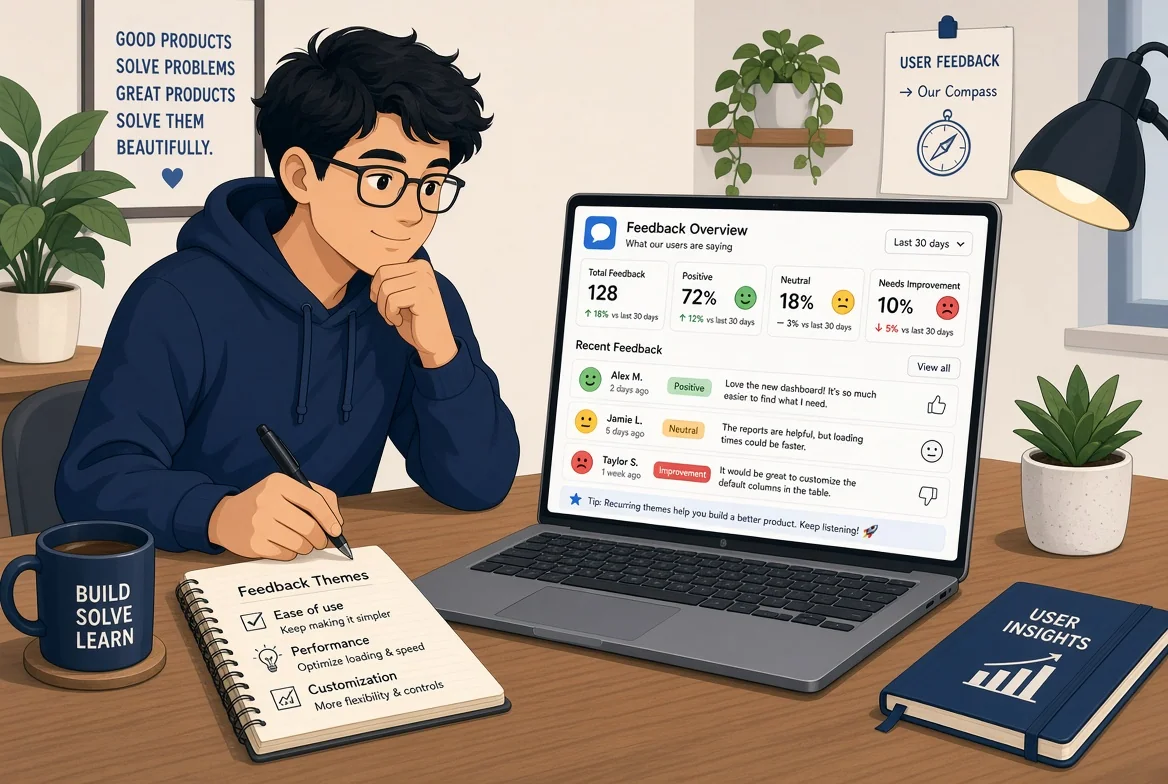
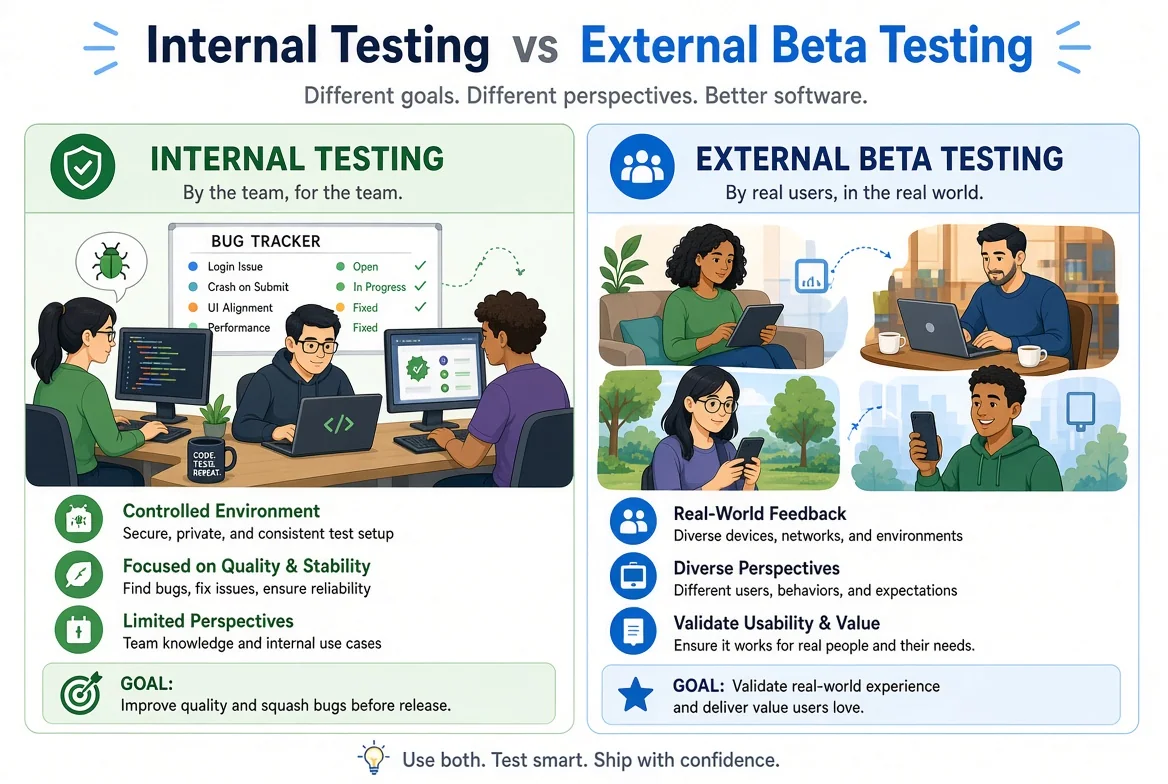
A beta tester is an external user who evaluates pre-release software under normal conditions to identify bugs, report UX friction, and assess whether the product delivers on its promise. Unlike internal QA engineers who follow formal test cases, beta testers approach the product with fresh eyes and their own devices, networks, and expectations.
In practice, a good beta tester does four things:
- Uncovers real-world edge cases by using their own hardware, network speeds, and operating systems.
- Reports functional defects with clear reproduction steps and context.
- Highlights onboarding and usability friction that internal teams no longer notice.
- Gives subjective feedback on value, missing features, and whether the product is worth using or paying for.
The goal is not just to find bugs. It is to learn whether real people in your target audience can succeed with the product without hand-holding.
Key Differences Between Alpha and Beta Testing
Alpha and beta testing serve different purposes and happen at different stages of readiness.
| Parameter | Alpha Testing | Beta Testing |
|---|---|---|
| Primary Audience | Internal team, engineers, and dedicated QA | External target users and early adopters |
| Product Stage | Feature-complete but often unstable | Stable builds with core workflows finalized |
| Environment | Controlled staging or development servers | Real-world personal devices and networks |
| Focus Area | Core functionality and basic stability | User experience, onboarding, and edge cases |
| Feedback Format | Structured bug reports (e.g., Jira) | Written critique, surveys, and video walkthroughs |
| Bias Risk | Higher (testers know the product well) | Lower (fresh eyes from outside the team) |
| Typical Duration | Shorter, iterative cycles | 2–6 weeks |
Alpha testing confirms the software works from a technical perspective. Beta testing confirms that intended users can achieve their goals without expert help. Skipping alpha produces broken builds. Skipping beta often produces high post-launch churn.
Why Early Beta Feedback Is Crucial for Launch
Early beta feedback protects you from building features the market does not want and from shipping onboarding that confuses people.
Preventing Costly Post-Launch Rework
Fixing a confusing navigation flow or broken core workflow after you have paying customers is far more expensive than resolving it during a closed beta. Early feedback lets you iterate when changes are still low-risk.
Validating Core Messaging and Value
If testers cannot complete the primary action in their first session, your copy, onboarding, or value proposition needs work. Beta rounds show whether the interface communicates your product’s purpose without manual explanation.
Many founders pair qualitative beta feedback with simple quantitative monitoring (crash rates, completion rates) so they can see both what is broken and how often.
How to Get Quality Feedback from Beta Testers
Recruiting people is only half the job. Getting thorough, actionable feedback requires clear structure and real incentives.
Give specific workflow prompts.
Instead of “let me know what you think,” ask testers to complete concrete tasks: sign up, configure a profile, create a report, and export it. Then ask where they hesitated or got stuck.Use structured formats.
Written feedback with clear questions works well. Video walkthroughs are even better—they reveal hesitation, missed buttons, and confusion that people rarely type out.Create real incentives.
Passive goodwill rarely produces detailed feedback. Effective approaches include lifetime discounts, early-access perks, public recognition, or reciprocal feedback systems where people earn the right to receive feedback by giving it.Make reporting easy.
Low-friction submission (a simple form, a Loom link, or a dedicated feedback tool) dramatically increases completion rates.
Communities that use a give-to-get model—where feedback is exchanged rather than requested for free—tend to attract people who take the process seriously.
Where to Find Active Beta Testers for Your App
The best beta testers are people who match your target user, will actually use the product, and will give specific feedback. Volume without relevance produces noise.
Your Existing Audience and Waitlist
If you already have an email list or waitlist, start here. Invite a small, engaged cohort (10–20 people) rather than blasting everyone. These users already care about the problem you solve.
Communities Where Your Users Already Are
Indie Hackers, relevant Discord servers, and targeted subreddits (r/SideProject, niche professional communities, r/alphaandbetausers) contain people who are comfortable evaluating early software. When you post, clearly state what the product does, who it’s for, and exactly what you need from testers.
Dedicated Founder Feedback Platforms
General social channels and open beta lists often attract casual onlookers who abandon the test quickly. Dedicated platforms that focus on structured feedback from other builders tend to produce higher-quality input.
BetaBloom is built for this use case. It is a give-to-get feedback marketplace for indie founders and early-stage builders. You post a structured feedback request (text write-up or video walkthrough), and other founders claim the request, actually try your product, and leave detailed critique. Credits are held in escrow and released only when you accept the feedback. The more useful feedback you give to others, the more visibility and feedback your own product receives.
It is free to create an account and browse the community. Many founders begin with a free landing-page clarity video or their first feedback request before deciding whether to buy credits. This model filters for people who understand product building and are motivated to give thoughtful feedback.
Get structured feedback from other founders on BetaBloom →
Beta Directories and Listing Sites
Sites like BetaList can generate signups from people who enjoy trying new products. These are useful for volume and early awareness, but the quality of feedback is usually lower than founder-to-founder exchanges. Treat them as a supplement rather than your primary source.
Paid Panels and Professional Testers
When you need specific demographics, device coverage, or highly structured usability sessions, paid panels can fill the gap. They are rarely the best first step for early-stage founders because the cost is high relative to the insight.
Frequently Asked Questions
How many beta testers do early-stage founders need?
For qualitative usability and product feedback, 10–15 engaged testers are usually enough. Research consistently shows that testing with roughly five to eight users uncovers the majority of critical interface problems. Active, relevant testers matter far more than total signups.
Should beta testers be paid?
Not always with cash. Early beta users often participate in exchange for free tool access, reciprocal product reviews, lifetime discounts, or credits on a feedback platform. Cash works best when you need very specific professional testers or demographic coverage.
What is the ideal duration for a beta test?
A typical closed beta lasts two to six weeks. This gives users time to integrate the product into a real workflow while keeping momentum toward a public launch.
What’s the difference between open and closed beta?
Closed beta is invite-only and usually involves a smaller, more targeted group. Open beta allows anyone who opts in. Closed betas generally produce higher-quality, more relevant feedback for early-stage products.
Where do indie founders find the best beta testers?
The highest-signal feedback usually comes from other builders who understand early-stage products. Founder communities and dedicated feedback platforms (such as BetaBloom) outperform general social posts and open beta lists for actionable critique.
If you’re an indie founder looking for structured feedback from other builders— instead of random signups or vague “let me know what you think” replies —start on BetaBloom. You can browse the activity feed and post your first request without paying anything upfront.